Family history
From a princess who painted European kings and queens to a contemporary artist forging her own path, a family story where art and entrepreneurship intertwine with passion and authenticity.
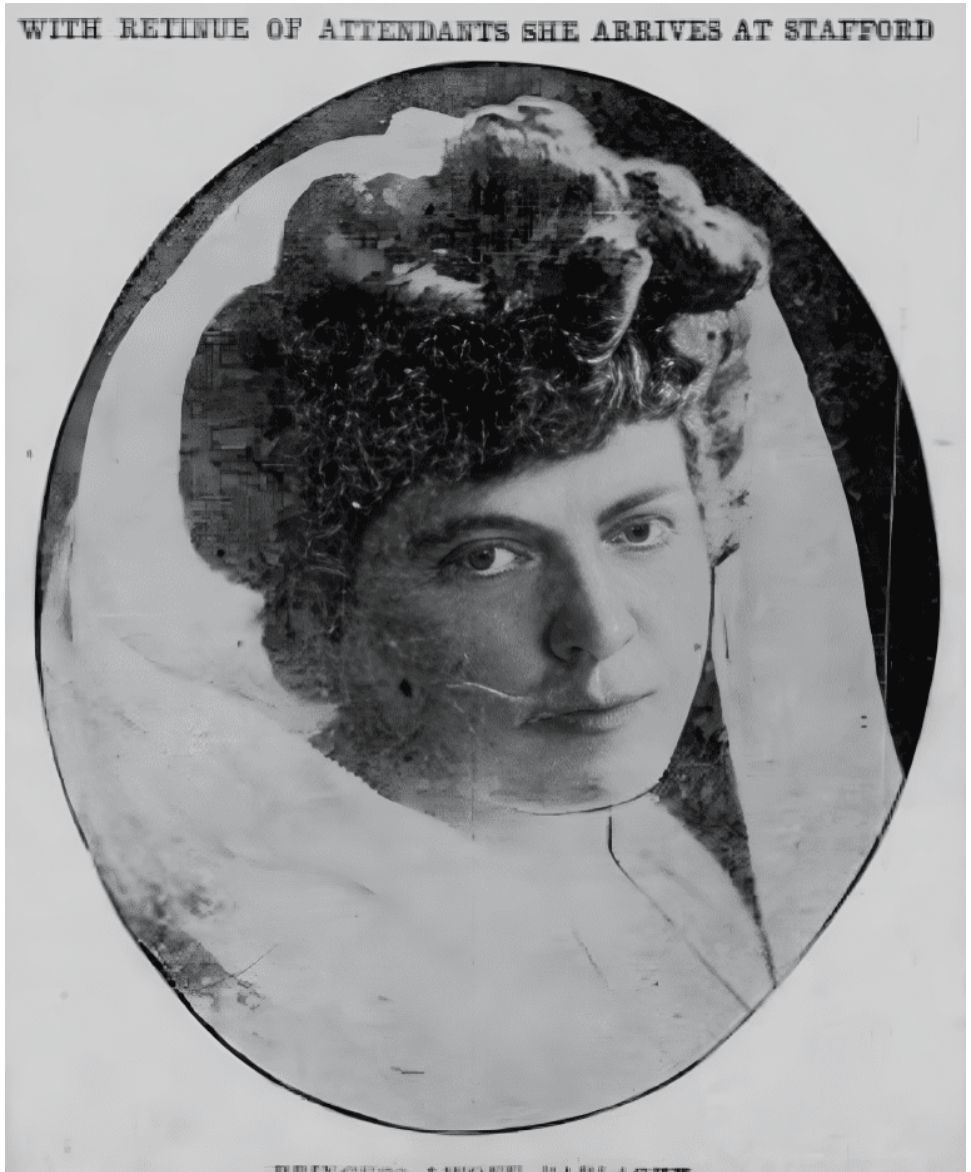
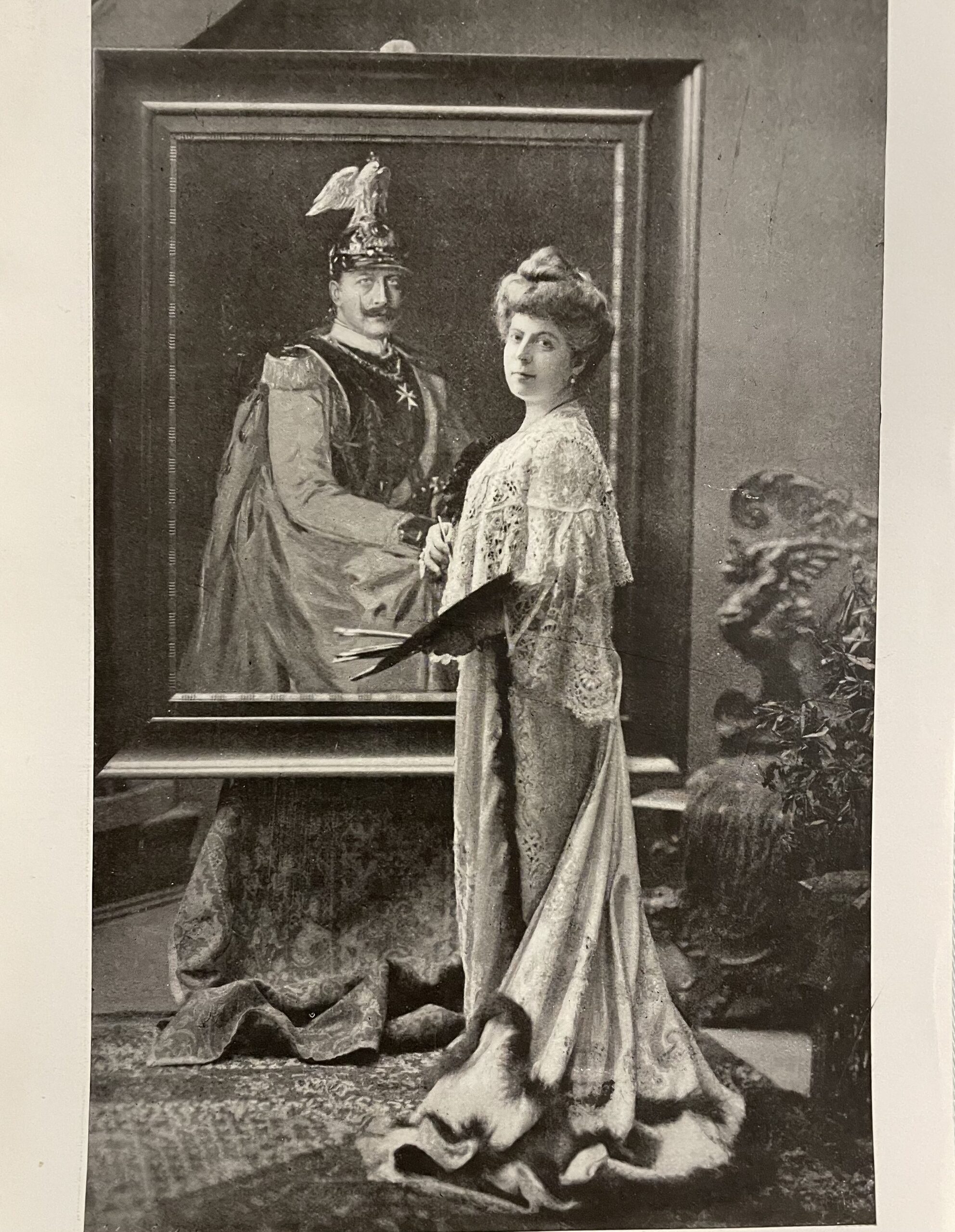
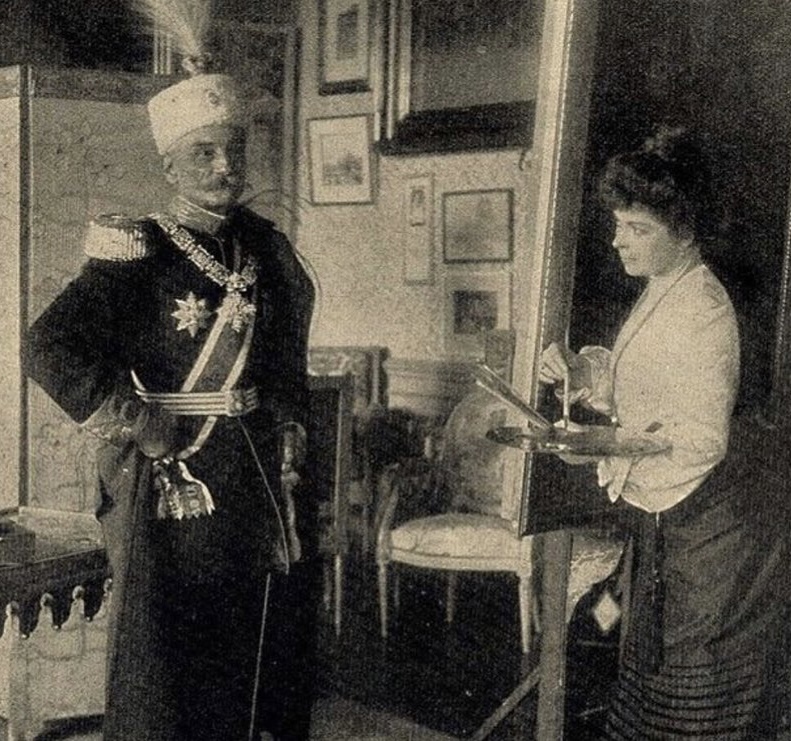
Princess Vilma Lwoff-Parlaghy: A woman painter in 1900
A unique talent and style that has propelled her to the highest levels of society 🎨
Elisabeth Vilma Parlaghy: The Audacity of an Artist
Elisabeth Vilma Lwoff-Parlaghy (1863-1923) was a Hungarian-born portraitist who built an extraordinary career across Europe and the United States.
Trained in Budapest and Munich, she first gained recognition in Berlin with a striking portrait of her mother, before establishing herself as the preferred artist of European royalty and aristocracy.
She painted numerous kings, queens, and emperors, earning international fame and an invitation into the highest circles of power.
Her ambition and charisma extended beyond her art. In 1899, she married Russian Prince Georgy Lvov, briefly becoming Princess Lwoff-Parlaghy—a title she continued to use even after their swift divorce. This only added to her aura, as she navigated effortlessly between the worlds of art, nobility, and diplomacy.
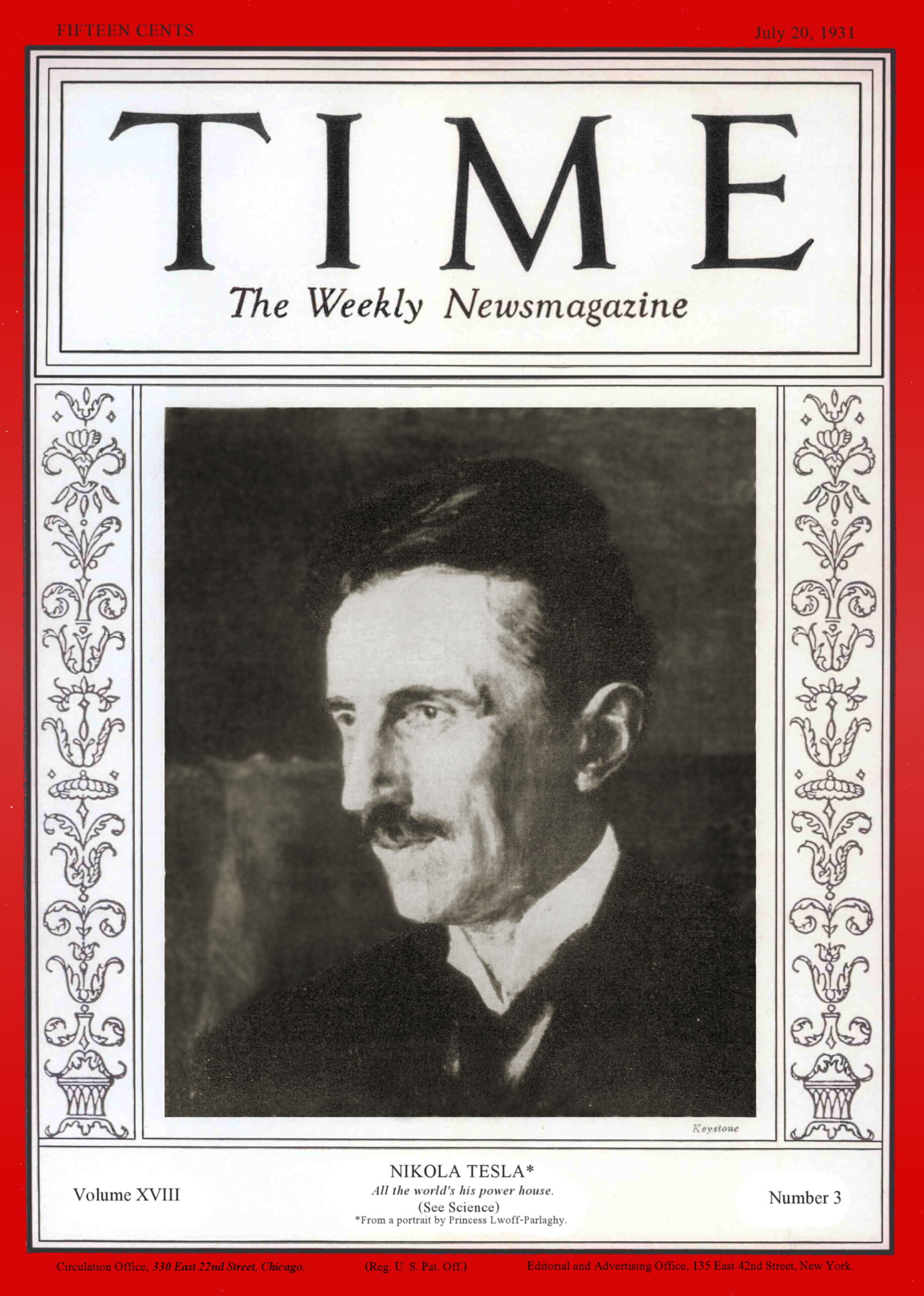
Settling in New York in 1908, she became the city’s most sought-after society portraitist. Over the course of her career, she painted around 120 portraits, capturing the likeness of Wilhelm II, Bismarck, Nikola Tesla, Thomas Edison, Theodore Roosevelt, and many others. Tesla himself, notoriously reluctant to be painted, made an exception for her—further proof of her ability to command both respect and fascination.
But beyond her art, it was her charisma and defiant independence that left a lasting impression. A brilliant strategist, she navigated elite circles with ease, challenging conventions. Briefly married to a Russian prince, she retained the title of princess and lived lavishly between Europe and New York. In Manhattan, she took residence at the Plaza Hotel, surrounded by an entourage fit for royalty—including a pet lion cub named Goldfleck. Today, her works, scattered across the world, remain a testament to her genius.
Among them, her portrait of Nikola Tesla, the only one he ever sat for, stands as an iconic masterpiece. Beyond her art, Vilma was known for her unmistakable presence and eccentricity. Living in a lavish fourteen-room suite at the Plaza Hotel, she maintained a household that included personal attendants, a private chapel, and even a pet lion named Goldfleck, whom she buried in the Hartsdale Pet Cemetery after his death.
Yet behind her dazzling public persona lay a more enigmatic story. In 1906, she gave birth to a daughter, Wilhelmina, whom she left in the care of a governess in London. Was this the price she paid to preserve her freedom and ambition? A choice shrouded in mystery, adding to her legend.
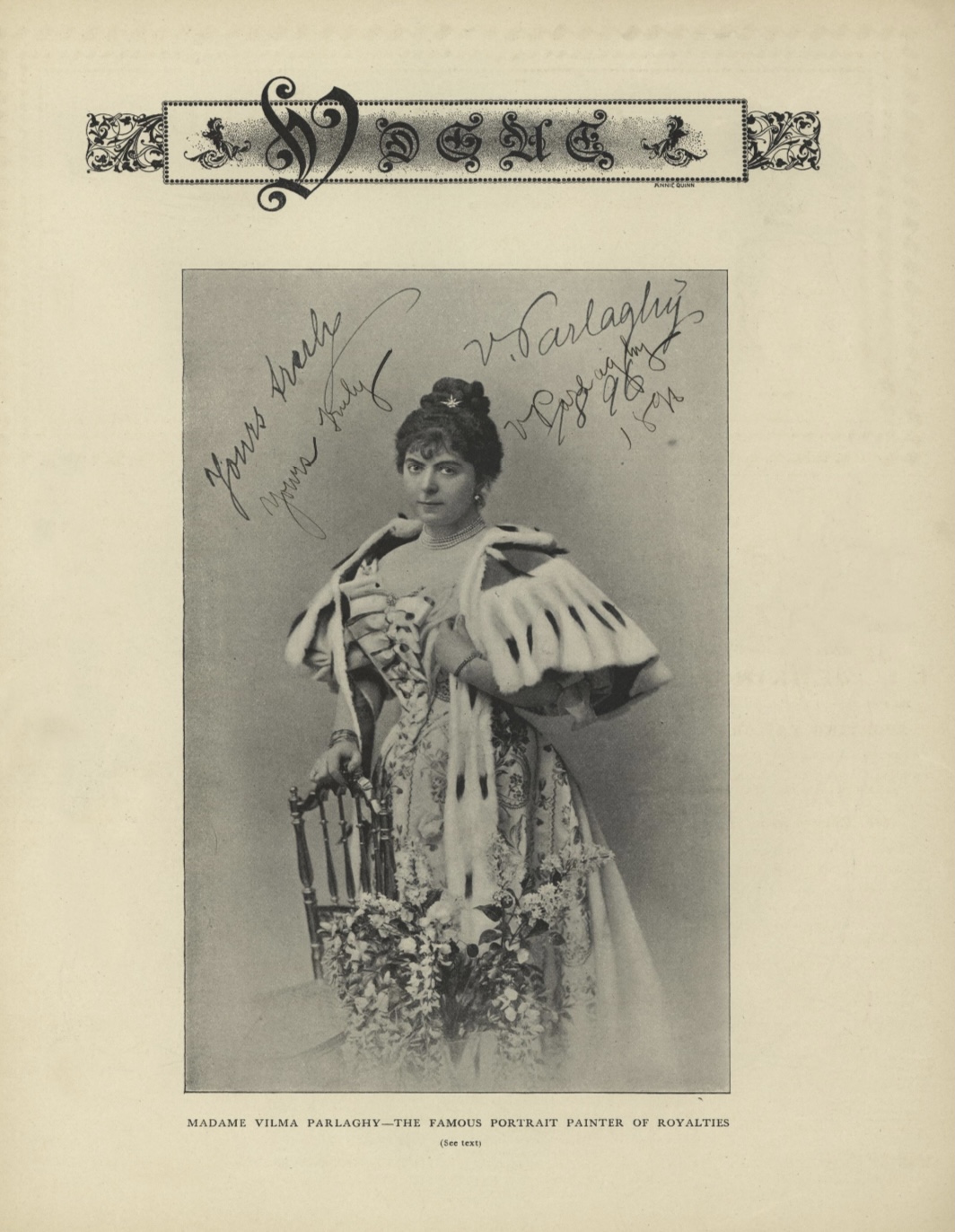
A true celebrity of her time, she regularly made the front page of the New York Times, was featured in Vogue, and was the subject of numerous articles detailing both her work and her extravagant lifestyle. For example her arrival in Washington with an entourage of pets, attendants, and lavish possessions caused a stir, solidifying her status as an artist-star at the turn of the century.
Yet, despite her public persona, aspects of her life remain shrouded in mystery.
In 1906, she gave birth to a daughter, Wilhelmina, whom she left in the care of a governess in London. Whether this was a sacrifice for her career, a choice dictated by the conventions of her time, or a more personal decision, remains an open question—one that adds complexity to her legacy.
A pioneer, strategist, and visionary, Vilma Parlaghy defied expectations in both her work and her life. Today, her portraits remain scattered across the world, their presence a testament to a woman who refused to be confined by the limits imposed upon her.
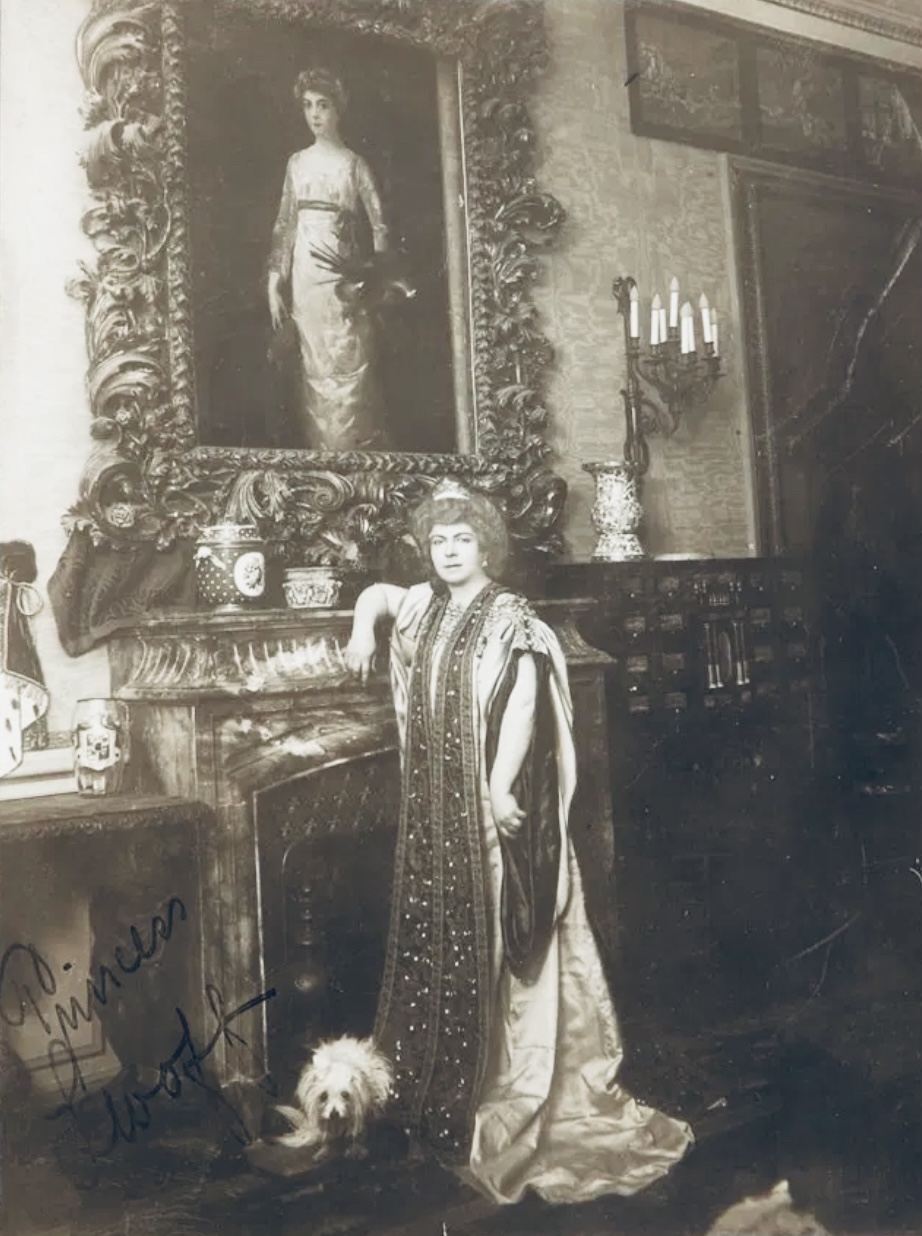
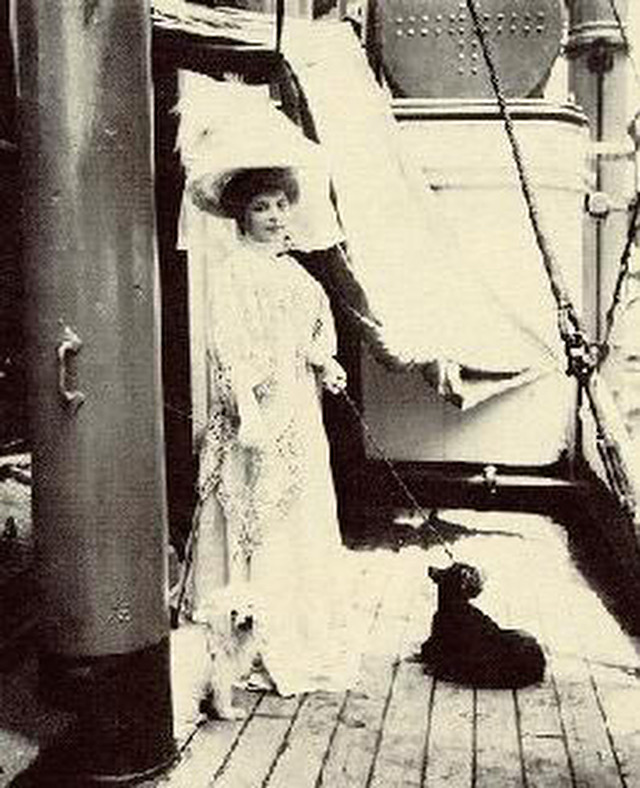
photo taken at the beginning of the 20th century.